The civilizations of Greece and Italy have influenced European culture for thousands of years. Their achievements in philosophy, literature, architecture, law, politics, and the arts continue to shape education, public institutions, and cultural identity across the continent. Exhibitions that explore their shared heritage offer visitors an opportunity to understand how these neighboring civilizations contributed to a common European story.
Historical connections between Greece and Italy developed through trade, migration, diplomacy, and cultural exchange. Ideas traveled across the Mediterranean alongside merchants, scholars, and artists, allowing knowledge to spread beyond regional borders. This exchange encouraged innovation while preserving traditions that remain significant today.
The Cultural Relationship Between Greece and Italy
Understanding Classicità ed Europa Greece and Italy shared legacy begins with recognizing the influence of ancient Greece on Roman civilization. Roman scholars admired Greek philosophy, mythology, literature, and artistic achievements. Rather than simply copying these traditions, they adapted and expanded them, creating new cultural expressions that later spread throughout Europe.
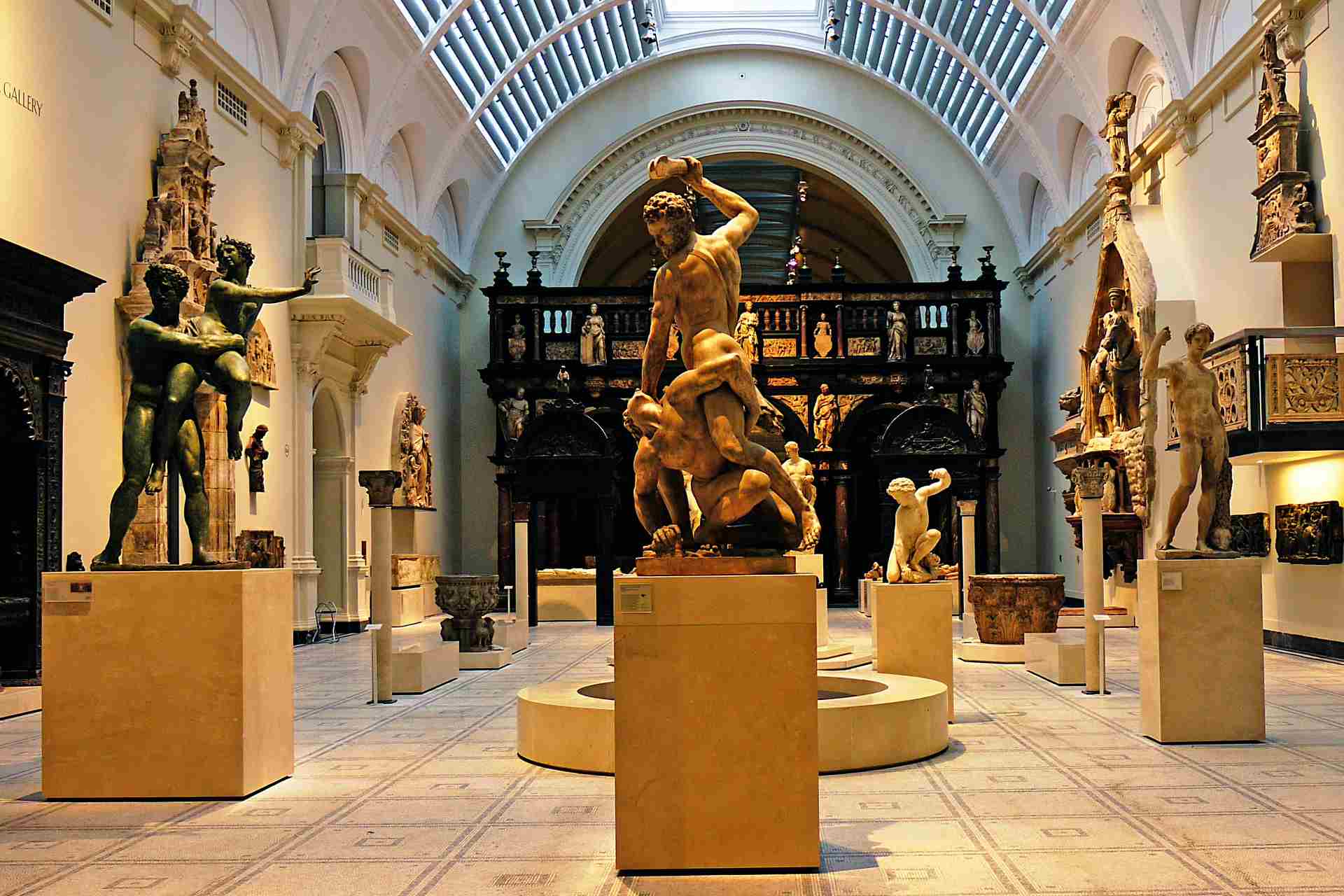
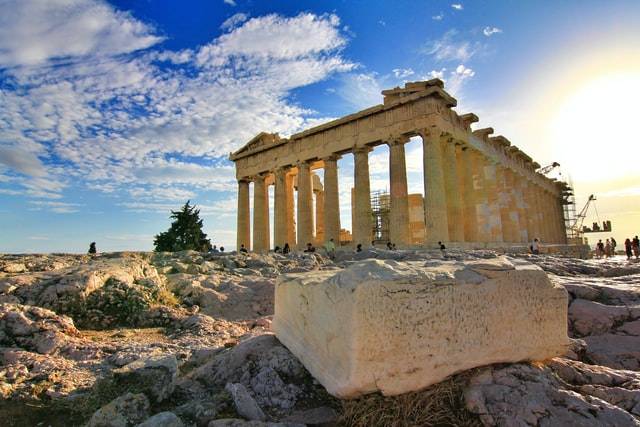
Architecture provides one of the clearest examples of this relationship. Greek temples inspired Roman public buildings, while Roman engineering introduced new construction techniques that improved durability and scale. Today, many government buildings, museums, and cultural institutions around the world still reflect classical architectural principles developed through this historical connection.
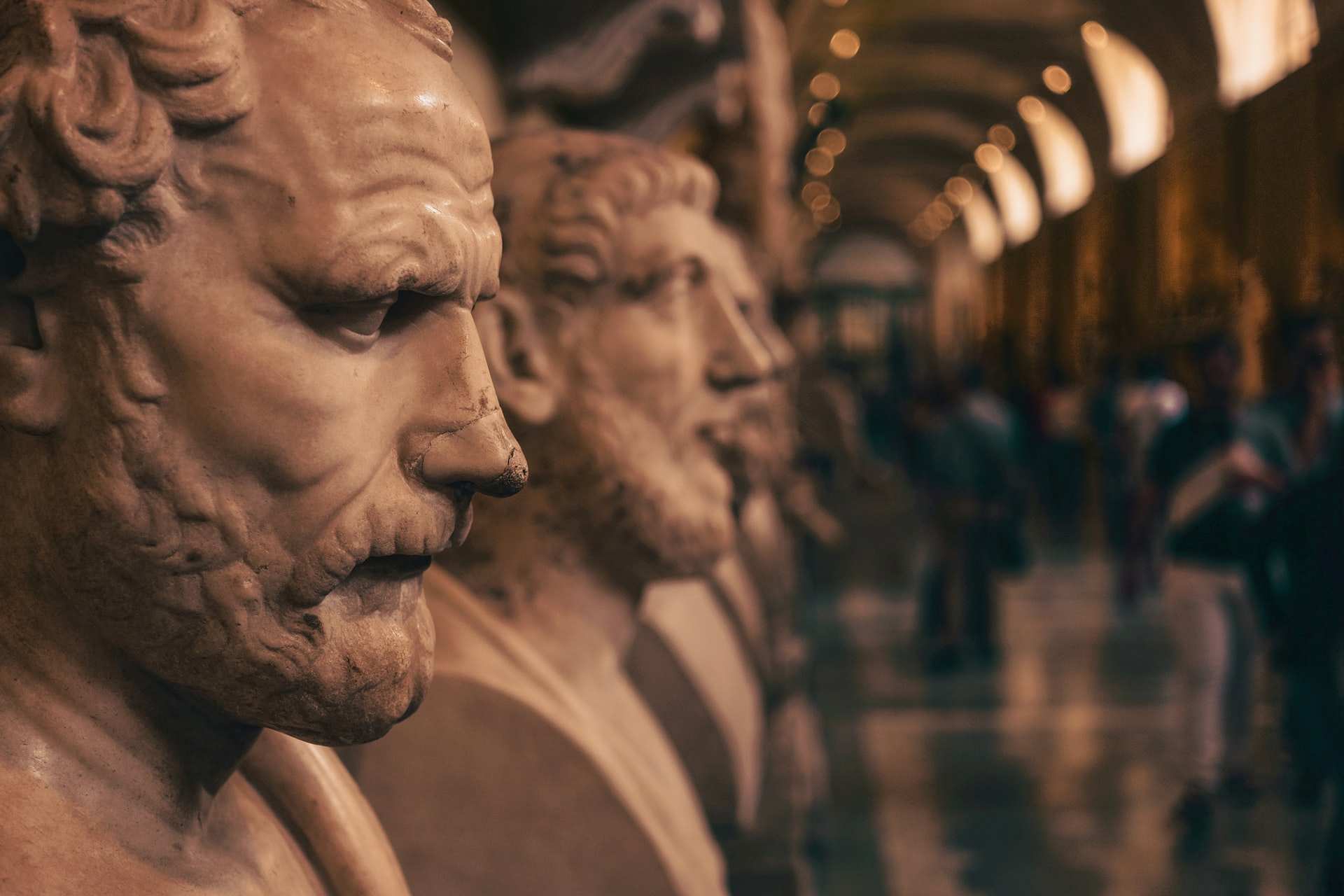
Art and literature also reveal a lasting dialogue between the two civilizations. Greek myths inspired Roman writers and sculptors, while Latin literature preserved and transformed many earlier Greek ideas. Together, these works established artistic standards that influenced generations of European creators and continue to inspire contemporary scholarship.
Education played an equally important role. Ancient academies, philosophical schools, and centers of learning encouraged critical thinking and intellectual debate. Their contributions laid important foundations for the humanities and continue to influence modern educational systems.
A Lasting Influence on European Identity
Researchers exploring Classicità ed Europa Greece and Italy shared legacy often emphasize that the relationship extends beyond ancient history. During the Renaissance, scholars revisited classical texts, sculptures, and architectural designs, leading to renewed appreciation for Greek and Roman achievements. This revival transformed European art, science, literature, and political thought.
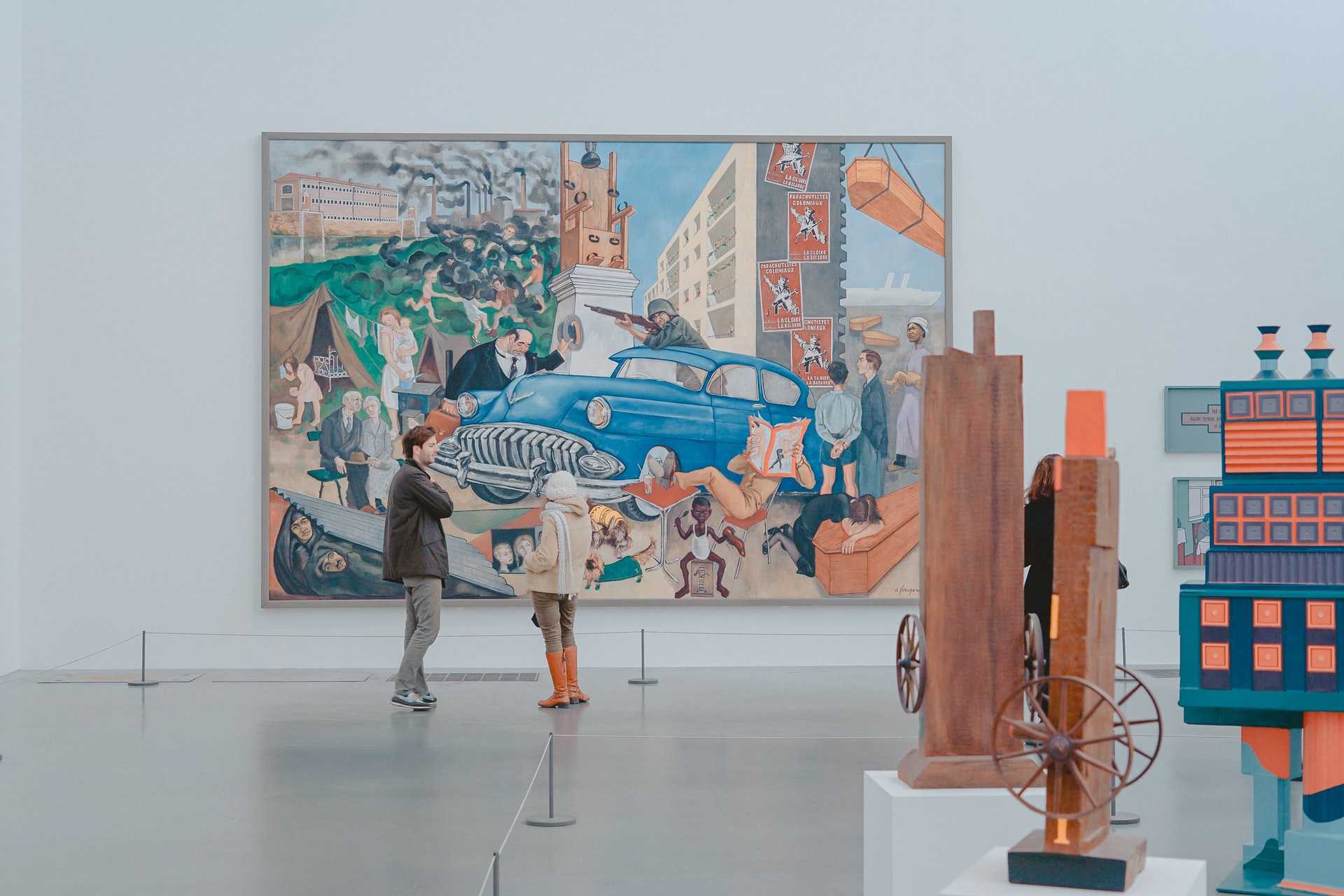
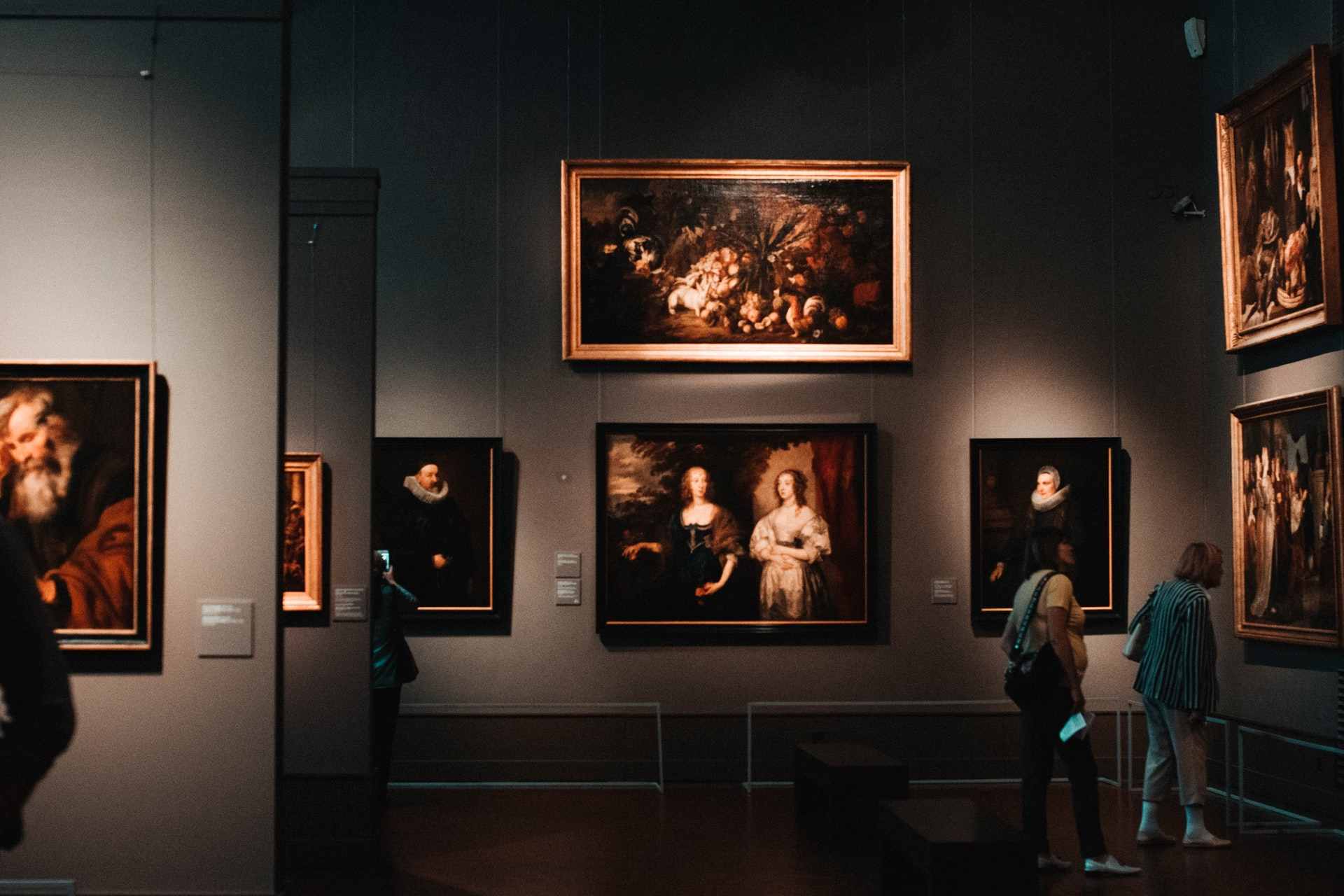
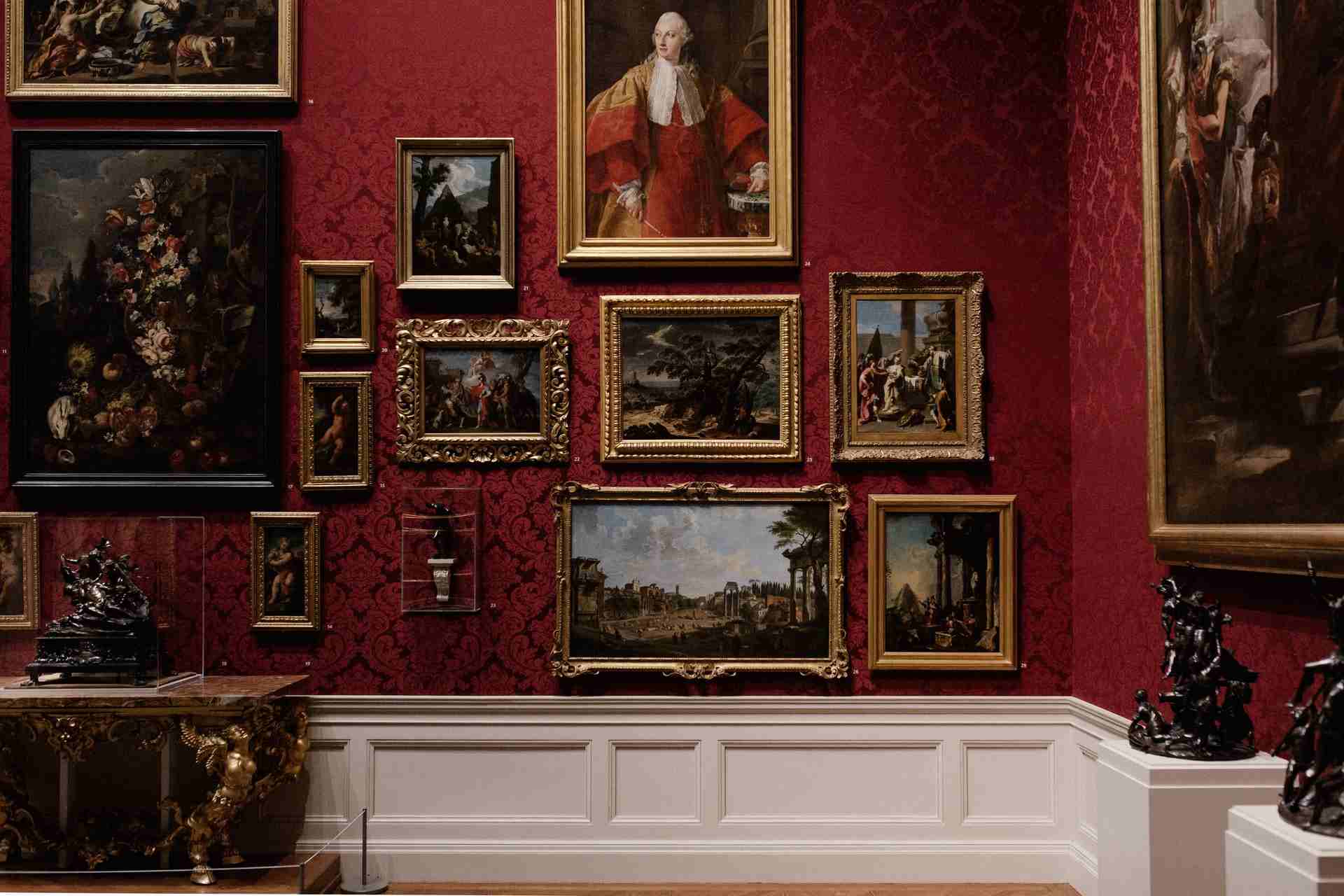
Modern exhibitions dedicated to this shared heritage frequently combine archaeological discoveries, historical documents, sculptures, coins, ceramics, and multimedia presentations. By presenting these materials together, museums help visitors understand how cultural exchange shaped both civilizations over many centuries. Curated displays also demonstrate that historical progress often results from collaboration rather than isolation.
Contemporary research continues to uncover new evidence about trade networks, religious practices, urban development, and daily life throughout the Mediterranean region. These discoveries deepen scholarly understanding while providing fresh perspectives for museum visitors and students interested in classical history.
The cultural partnership between Greece and Italy remains one of the most influential chapters in European history. By examining Classicità ed Europa Greece and Italy shared legacy, audiences gain a deeper appreciation for the ideas, artistic traditions, and civic values that continue to shape modern society. This shared inheritance reminds us that cultural exchange, intellectual curiosity, and respect for history remain essential foundations for preserving Europe's rich and diverse heritage.