Ancient Egypt remains one of the world's most studied civilizations because of its remarkable achievements in architecture, governance, religion, science, and art. Museums and cultural institutions preserve these achievements by presenting carefully selected collections that help visitors understand how Egyptian society developed across thousands of years. A well-curated exhibition allows people to explore historical changes while appreciating the continuity of cultural traditions.
Rather than focusing on a single historical period, comprehensive exhibitions often present artifacts from multiple eras. This chronological approach enables visitors to follow the evolution of daily life, political leadership, religious beliefs, artistic expression, and technological progress. Organizing collections in historical sequence creates a clearer understanding of how one period influenced the next.
Exploring Thousands of Years of Egyptian History
Visitors quickly discover that the exhibits cover all time of the egyptian civilization by presenting artifacts from the Predynastic Period through the Ptolemaic and Roman eras. Early displays often feature simple pottery, stone tools, and ceremonial objects that illustrate the foundations of organized communities before the emergence of powerful pharaohs.
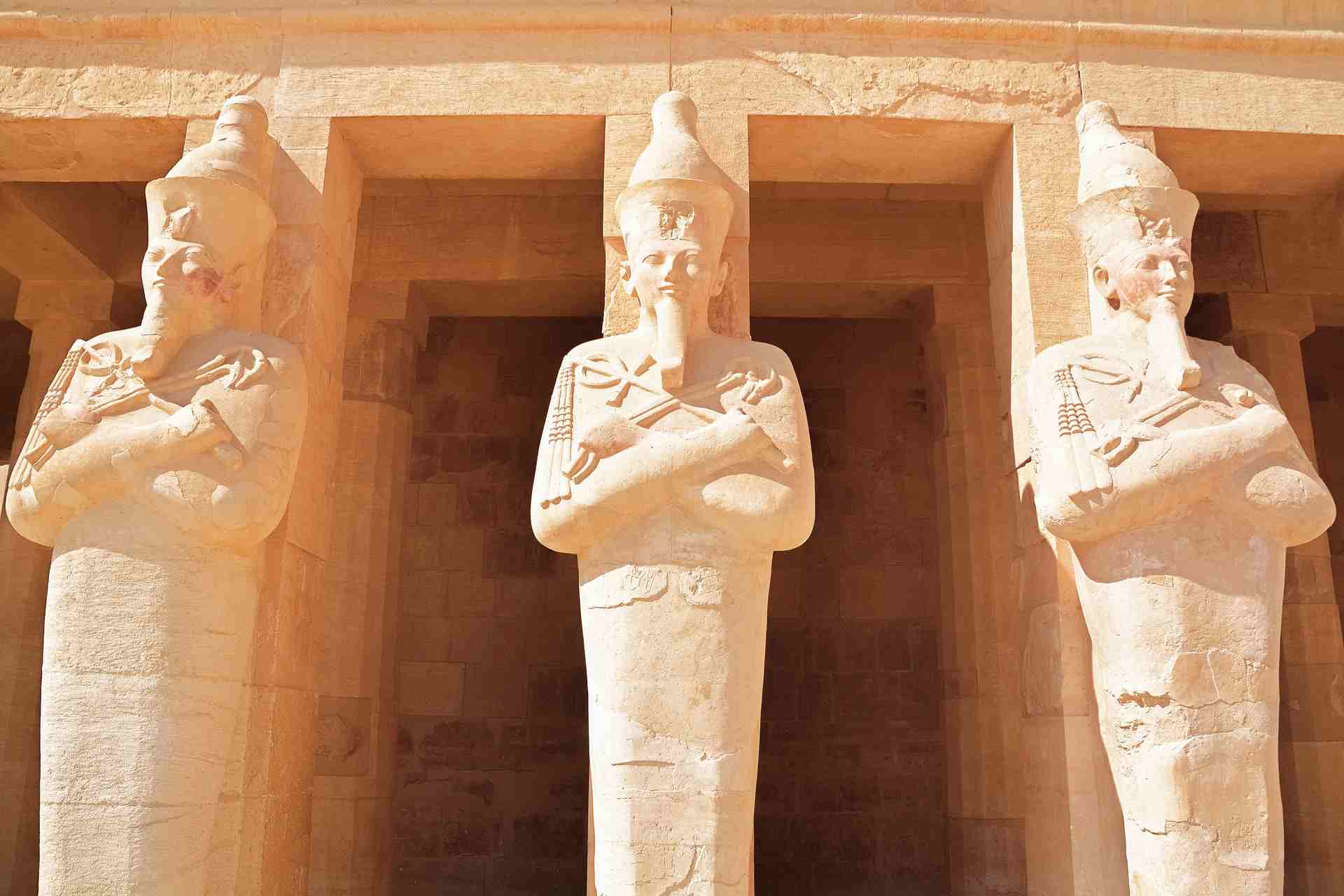
As the exhibition progresses, visitors encounter collections from the Old Kingdom, known for the construction of monumental pyramids and advances in engineering. Statues, inscriptions, and architectural fragments demonstrate the importance of royal authority and religious traditions during this influential period. Later galleries highlight the Middle and New Kingdoms, where military expansion, international trade, and artistic refinement shaped Egyptian society.
Daily life also receives significant attention. Household tools, jewelry, textiles, writing materials, and agricultural equipment reveal how ordinary people lived, worked, and contributed to the civilization's success. These objects help balance the stories of kings and monumental architecture with the experiences of families, artisans, merchants, and farmers.
Museum curators support historical interpretation by combining archaeological evidence, academic research, and conservation expertise. Informational panels, interactive displays, and carefully preserved artifacts provide visitors with reliable context while encouraging deeper appreciation of Egypt's cultural heritage.
Preserving History Through Thoughtful Exhibition Design
Scholars recognize that the exhibits cover all time of the egyptian civilization most effectively when historical objects are presented alongside clear explanations and chronological organization. This approach allows visitors of different ages and educational backgrounds to understand complex historical developments without becoming overwhelmed by information.
Modern exhibition design also incorporates digital technology to enrich learning experiences. Interactive maps, three-dimensional reconstructions, multimedia presentations, and virtual restorations help explain damaged monuments, ancient cities, and archaeological discoveries that cannot be fully understood through artifacts alone. These tools complement original objects while maintaining historical accuracy.
Conservation remains equally important throughout the exhibition process. Specialists carefully monitor lighting, temperature, humidity, and display conditions to preserve fragile materials for future generations. Responsible preservation ensures that priceless artifacts remain available for ongoing research and public education.
Comprehensive exhibitions do more than display historical treasures. They connect archaeological discoveries with the broader story of one of humanity's most influential civilizations. By demonstrating how the exhibits cover all time of the egyptian civilization, museums encourage visitors to appreciate cultural continuity, scientific achievement, artistic excellence, and historical knowledge that continue to inspire researchers and audiences around the world.