
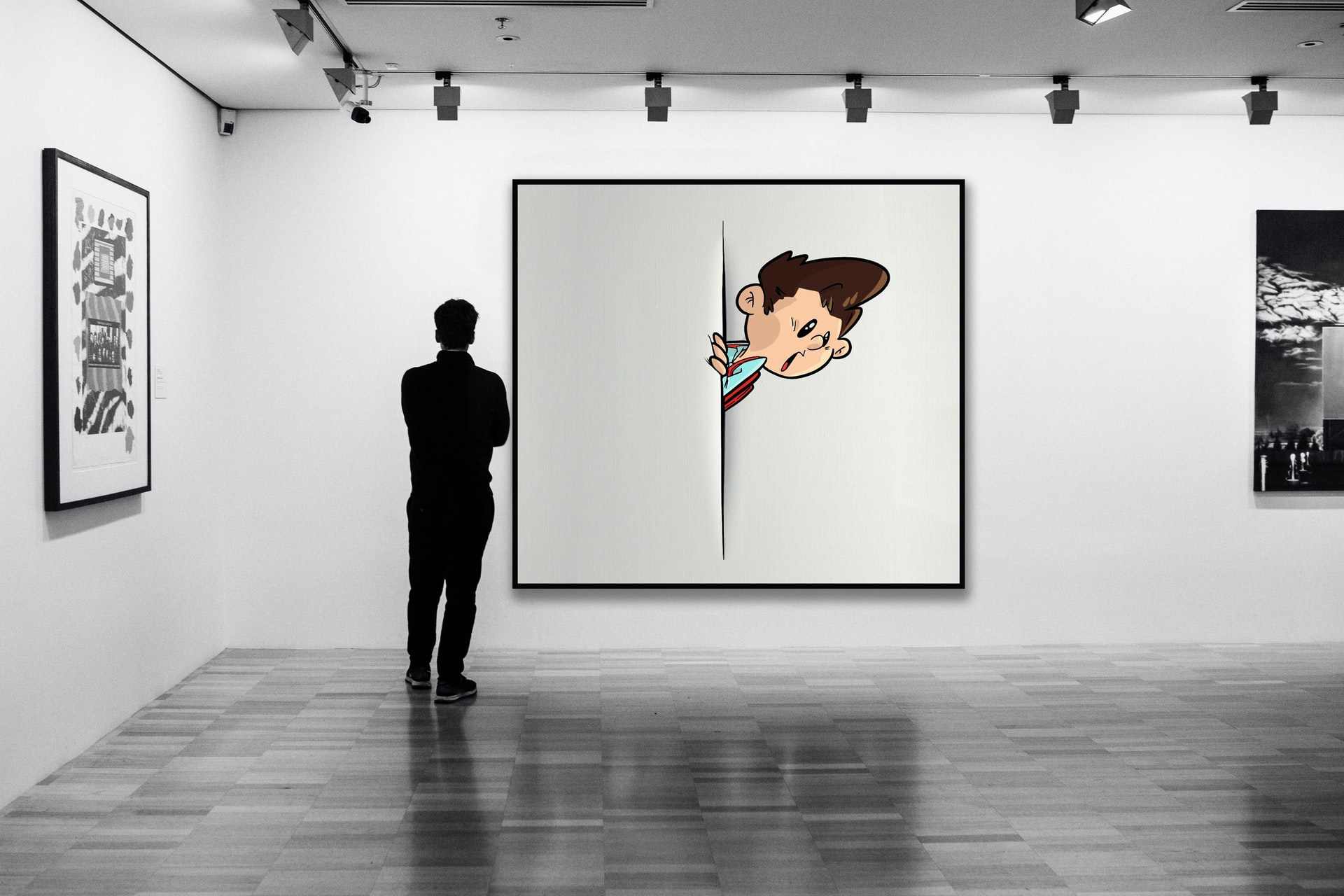
Every successful exhibition begins with a strong idea, but visitors often remember the visual identity long after the event has ended. Colors, typography, symbols, illustrations, and layouts work together to create a consistent experience that reflects the exhibition's purpose. A carefully developed graphic identity not only attracts attention but also helps visitors understand the story that organizers want to communicate.
Graphic identity is more than decoration. It is a strategic design system that connects printed materials, digital content, signage, promotional campaigns, and exhibition spaces into one recognizable visual language. When every element follows the same creative direction, visitors experience a clear and professional presentation from the first announcement to the final display.
How Creative Concepts Shape Visual Identity
Understanding the inspiration behind graphic identity of an exhibition begins with research. Designers first explore the exhibition's objectives, target audience, historical context, and key messages. This discovery process provides the foundation for visual decisions that accurately represent the exhibition rather than relying on temporary design trends.
Mood boards, sketches, color studies, and typography experiments help transform abstract ideas into visual concepts. Designers may draw inspiration from architecture, local culture, natural landscapes, scientific discoveries, artistic movements, or historical events depending on the exhibition theme. Every design choice should reinforce the central narrative while remaining accessible to diverse audiences.
Consistency is essential throughout the project. Logos, icon systems, exhibition maps, directional signs, brochures, tickets, presentation screens, and online materials should follow the same visual standards. A unified identity helps visitors navigate the exhibition while strengthening brand recognition across multiple communication channels.
Accessibility is another important consideration. Readable typography, balanced color contrast, clear symbols, and logical layouts improve the visitor experience for people with different visual abilities and backgrounds. Inclusive design ensures that information remains understandable without sacrificing creativity or aesthetic quality.
Close collaboration between curators, designers, marketing teams, and production specialists also contributes to successful outcomes. By combining subject expertise with creative thinking, every visual element can support the exhibition's educational and cultural goals.
Turning Inspiration Into a Lasting Visitor Experience
Professionals exploring the inspiration behind graphic identity of an exhibition recognize that effective design evolves through testing and refinement. Prototype materials, environmental graphics, and digital previews allow teams to evaluate readability, visitor flow, and overall visual impact before final production begins.
Modern exhibitions often extend beyond physical spaces through websites, social media, virtual tours, and interactive applications. Maintaining a consistent graphic identity across these platforms strengthens audience recognition and encourages continued engagement before, during, and after the exhibition. This integrated approach creates a seamless connection between digital and physical experiences.
Evaluation after the exhibition is equally valuable. Visitor feedback, engagement data, and observational studies help designers understand which visual elements communicated effectively and which areas can be improved for future projects. This evidence-based process supports continuous creative development and strengthens professional design practice.
A memorable exhibition is built on more than outstanding content. Strong visual communication helps audiences connect with ideas, navigate spaces, and remember meaningful experiences. By understanding the inspiration behind graphic identity of an exhibition, creative teams can develop authentic design systems that communicate purpose, reinforce storytelling, and create lasting impressions for visitors from diverse backgrounds.